


Amsterdam's got more Indian restaurants than most European cities can claim — but finding one that actually cooks well, rather than serving up a watered-down tourist version, takes a bit of local know-how. Nepali food narrows the field even further; there aren't many places doing it, but the ones that exist are genuinely worth seeking out.
This guide goes through both cuisines — where to find them, what genuinely separates one from the other, which dishes you should order, and how to spot a kitchen that truly knows its stuff from one that's just coasting. Whether you're a visitor just in town for three nights or a resident who's ordered the same butter chicken for the last five years & finally ready to spread yer wings.
What Is Indian Food?
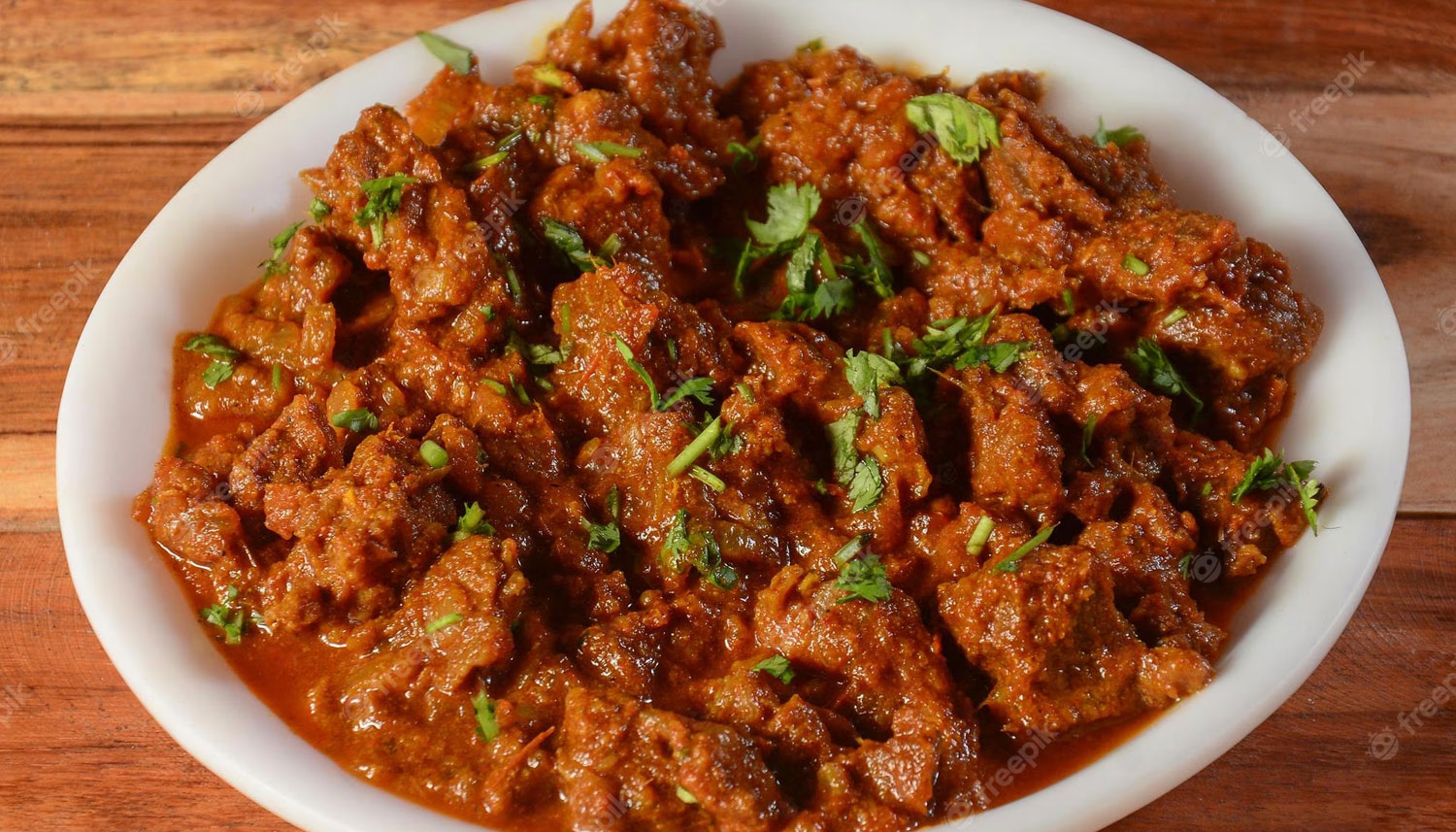
Indian food, as served in Amsterdam, is primarily North Indian cuisine — a tradition built around rich, slow-cooked curries, yoghurt-marinated tandoori grills, fragrant basmati rice dishes, and breads baked in a clay tandoor oven.
It's a bold and layered flavour profile. Cuisine — butter chicken, chicken tikka masala, lamb rogan josh and biryani — relies on complex blendings of spices, garam masala, cumin, coriander, turmeric and cardamom, often combined with cream, tomato, onion and yoghurt to make thick, warming, richly satisfying sauces. The obligatory accompaniment is naan, which puffs up and is charred against the walls of a tandoor oven.
As far as vegetarians are concerned, Indian food is arguably the most successful food tradition out there; Palak paneer, dal makhani, aloo gobi — not one of these wears the guise of a mere supporting player. They're centuries in the refinement, and they arrive like headliners instead of afterthoughts.
What Is Nepali Food?
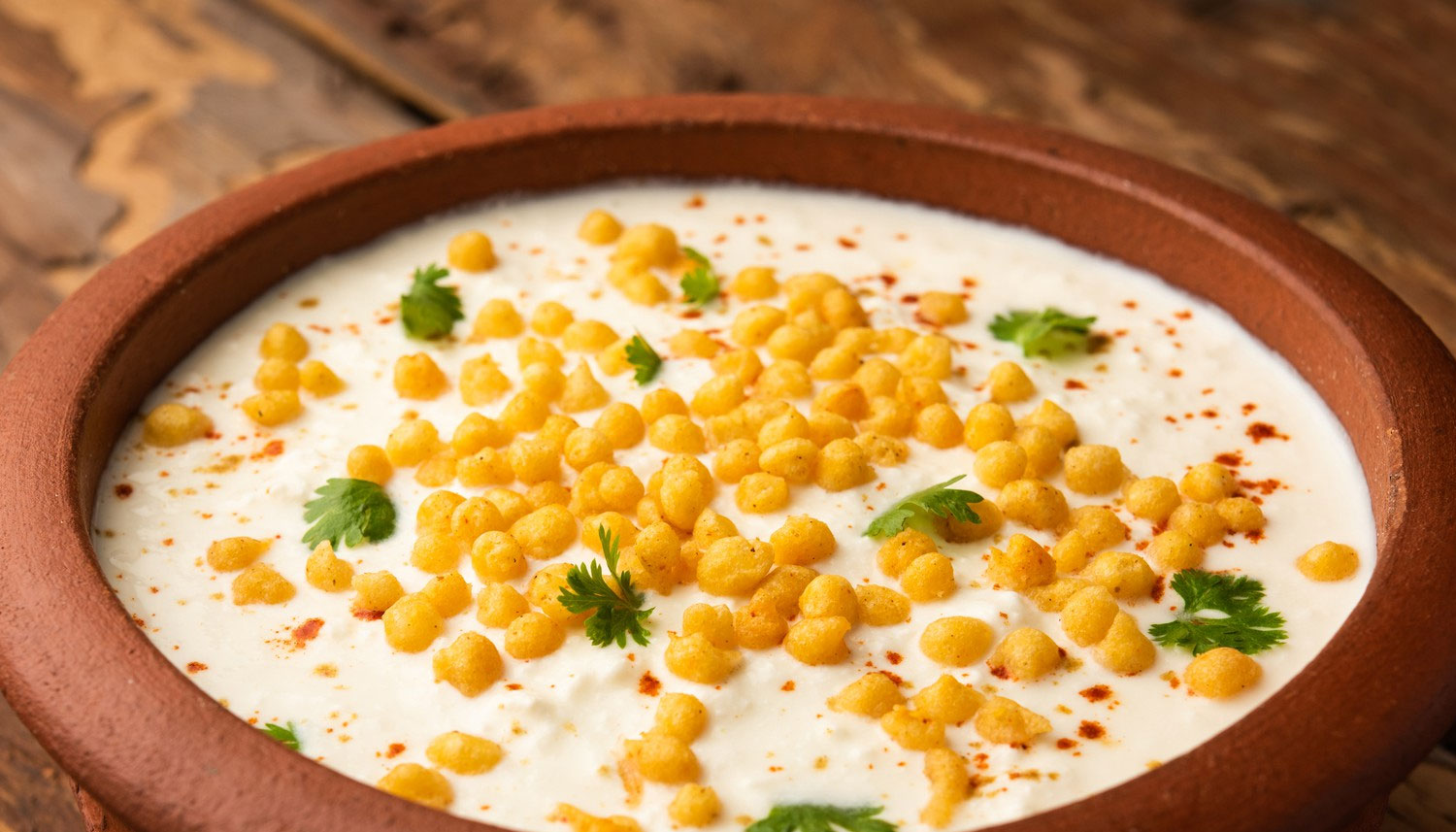
While Nepali food doesn't get the same international limelight, it is actually one of the more satisfying cuisines — especially if you adore clean flavours and comforting warm-you-up-from-the-inside dishes.
Dal bhat tarkari — lentil soup (dal), steamed rice (bhat) and seasonal vegetable curry (tarkari) is the national dish, followed closely by a side of pickles (achar) and often greens. It is served twice a day for most Nepalis, and although this may sound sparse in writing, the way the flavours come together — earthy lentils alongside sharp pickles and spiced vegetables — makes it quietly addictive once you get into it.
Chances are, momo will be your introduction to Nepal — dumplings folded by hand, packed with spiced chicken, buffalo, or vegetables, steamed until tender, then finished off with a tomato-sesame chutney. It's the country's everyday street food, and it earns that spot honestly. Track down somewhere in Amsterdam that actually makes them fresh instead of pulling from the freezer, and the appeal clicks pretty fast.
Don't stop at momo, though. Thukpa's a warm Himalayan noodle soup worth ordering on a cold Amsterdam evening. Sekuwa is meat grilled the Nepali way — smoky, simple, satisfying. Choila does the same thing but serves it cold, spiced up nicely. And if you want something sweet to finish, sel roti is a ring-shaped fried bread that's hard to say no to.
Nepali cuisine reaches for many of the spices Indian food does; cumin, turmeric, coriander — only with a softer hand overall. While Indian food levels up the richness with cream, butter, and sauces cooked low and slow for hours, Nepali cooking allows the spices and fresh ingredients to do much of the heavy lifting.
Indian Food vs Nepali Food — What Is the Difference?
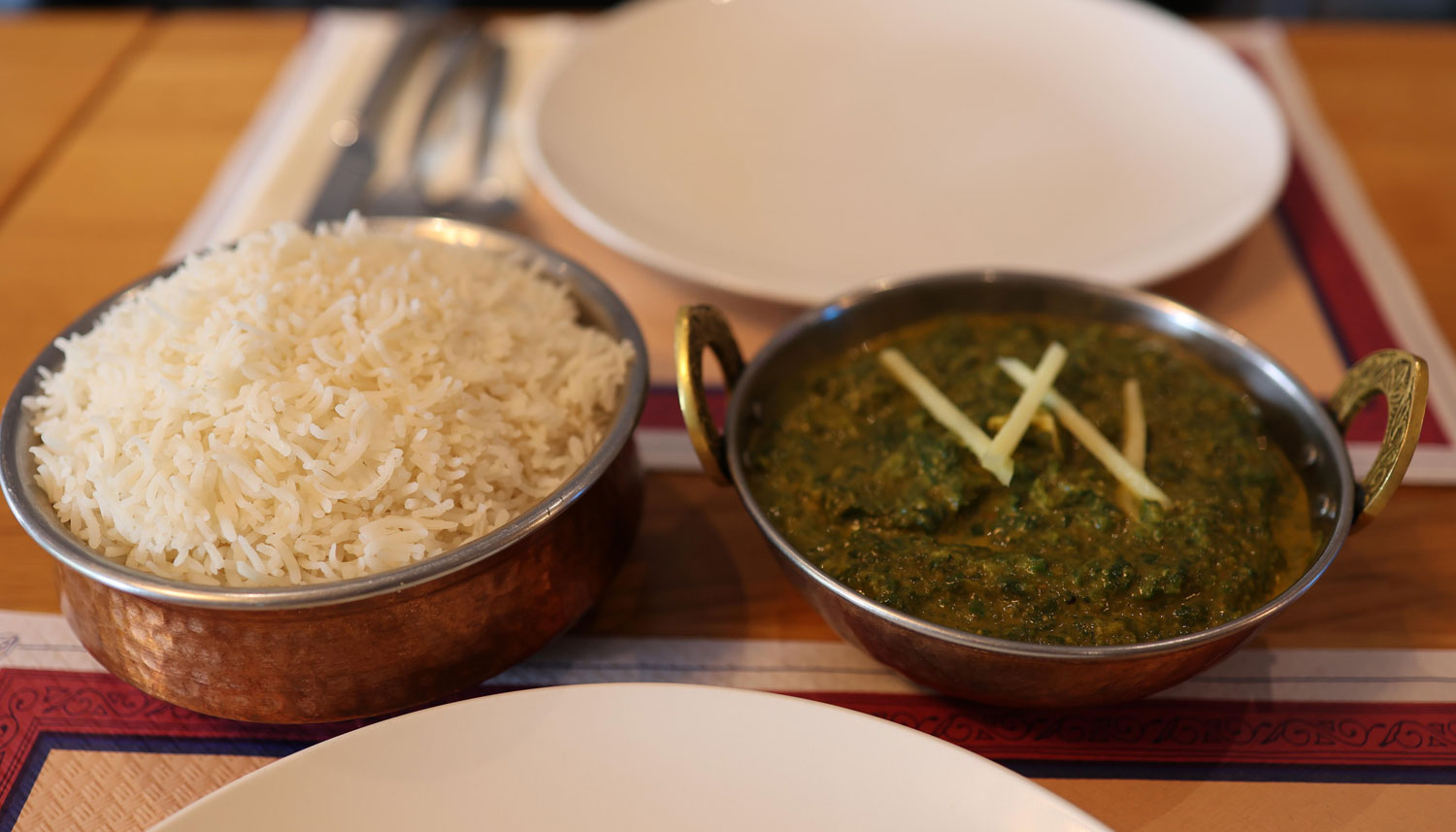
Visitors often assume Indian and Nepali food are the same. They are not. Here is a quick comparison:
| Indian Food (North Indian) | Nepali Food | |
| Flavour profile | Rich, creamy, layered | Lighter, direct, earthy |
| Signature technique | Tandoor oven, slow-cooked curries | Steaming (momo), grilling (sekuwa) |
| Staple meal | Curry with naan or rice | Dal bhat tarkari (lentils, rice, vegetable curry) |
| Most famous dish | Butter chicken, biryani | Momo dumplings |
| Bread | Naan, roti, paratha (tandoor-baked) | Sel roti (fried, sweet), roti |
| Dairy use | Heavy — cream, butter, yoghurt, paneer | Lighter — yoghurt, less cream |
| Spice heat | Moderate to high | Mild to moderate |
| Soups | Rare on restaurant menus | Thukpa (noodle soup) is a staple |
| Dumplings | Not traditional | Momo — the national snack |
| Vegetarian tradition | Vast — hundreds of dedicated dishes | Strong — dal bhat is often vegetarian |
Why this matters for diners: Craving something rich and indulgent — creamy sauces, charcoal-grilled tandoori — Indian food is where you go. Want something a bit lighter and more comforting instead — steamed dumplings, lentil soup, fresh vegetable curries — that's Nepali food's territory. Best of all, though? Find a restaurant that does both, and just mix and match.
Where to Find Indian Food in Amsterdam
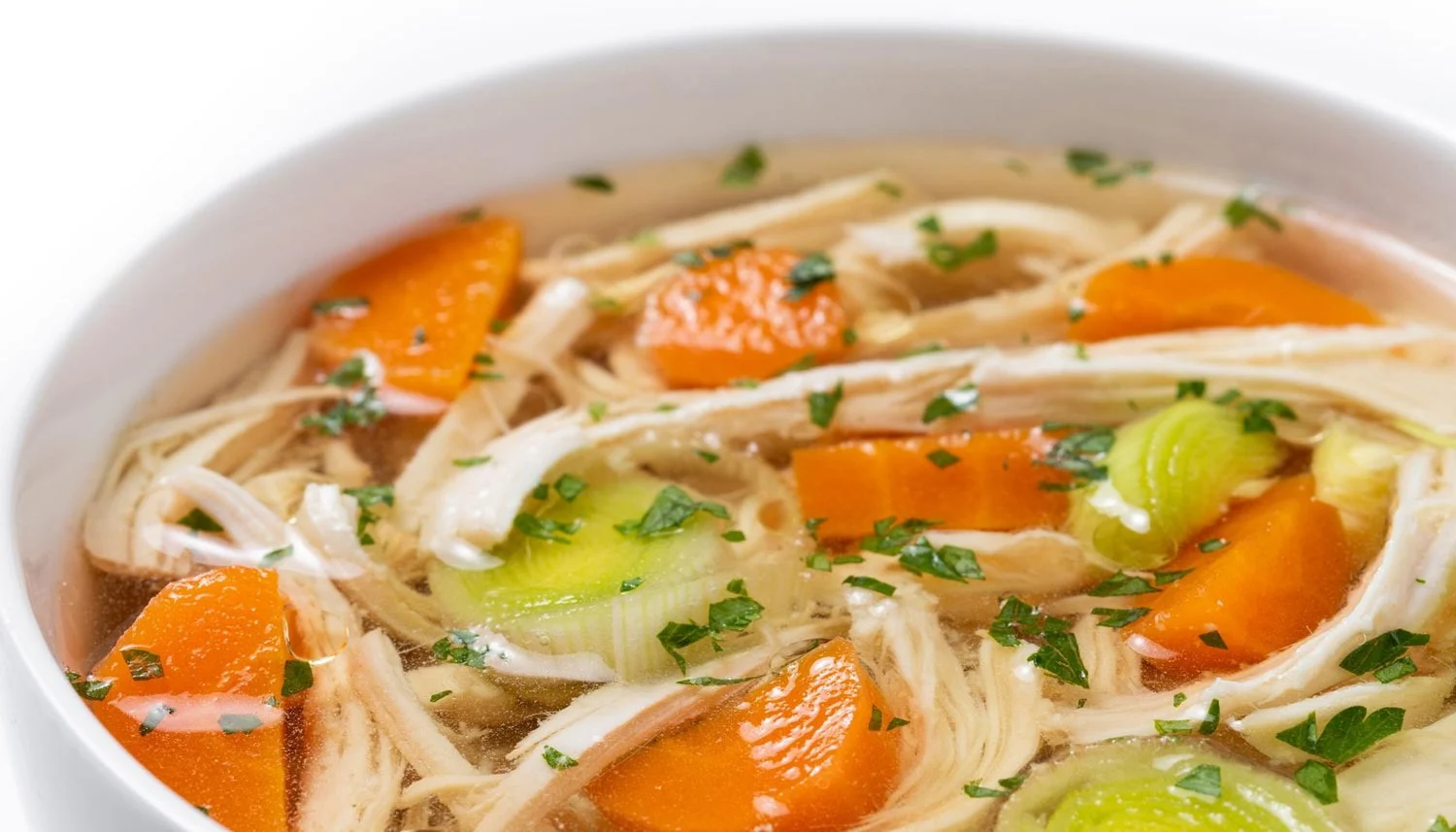
Indian restaurants in Amsterdam are concentrated in the city centre, with a few notable options outside it.
Amsterdam CentrumIf you're after Indian, then you'll find a high concentration of them between Central Station and Rembrandtplein. Some of the consistent winners: Koh-I-Noor on Westermarkt, Ashoka on Spuistraat, Gandhi off Damrak and Dosa out in Oud-West, just on Centrum's border. Each of them dishes up the North Indian essentials — butter chicken, tikka masala, tandoori, biryani, naan — though there's authenticity: some kitchens go deep into local recipes while others take shortcuts. The obvious upside here is convenience; the downside is tourist area pricing and a more utilitarian, brisker style of service.
Amsterdam NoordCross the IJ River from Central Station and Amsterdam North feels like a different city altogether — quieter streets, a local crowd, and prices that don't punish you for being there. Mount Everest Tandoori, at Spreeuwenpark 3 in Vogelbuurt near IJplein, is one of the few places in the neighbourhood doing authentic Indian food. The menu hits all the North Indian essentials — butter chicken, lamb curry, chicken tikka masala, tandoori dishes, biryani, naan fresh from the oven — all prepared by a Nepalese chef with decades of experience behind him.
The restaurant is open seven days a week and offers delivery and takeaway across Amsterdam Noord, along with catering services for groups of 30 or more guests.
Getting there: Take the free ferry from Central Station to Buiksloterweg (two minutes), then a short walk or bus. The NDSM Wharf, EYE Film Museum and A'DAM Lookout are all nearby — easy to combine with dinner.
Where to Find Nepali Food in Amsterdam
Nepali food is harder to find than Indian food in Amsterdam, but the city now has a handful of dedicated or dual-cuisine restaurants.
Dedicated Nepalese RestaurantsWhen it comes to properly authentic Nepalese food, two places in the Centrum are hard to beat — known mostly for their momo, thali sets, and khaja (Nepali savoury snack plates). Then there's Sherpa Restaurant, also in the Centrum, which has been around since 1989 and holds a genuine bit of history as the Netherlands' first Nepalese and Tibetan restaurant. Their menu stretches from dal bhat, momo, thukpa, and sekuwa all the way to Indian dishes. Worth a mention too is Himalayan Kitchen in Kinkerbuurt — heavy on the momo, and rightly so.
Restaurants Serving Both Indian and Nepali FoodSeveral restaurants in Amsterdam put both cuisines on the same menu, so you can order butter chicken and a plate of steamed momo at the same table. That's not some odd compromise, either — plenty of these kitchens are run by Nepalese chefs who grew up cooking both traditions side by side.
Mount Everest Tandoori in Amsterdam Noord is a good example. Alongside the Indian menu, they make handmade momo — steamed, fried, or jhol style (sitting in a spiced tomato broth) — all fresh to order. The kitchen also turns out Nepalese-style curries and Himalayan spice blends you won't come across at your average Indian restaurant. If you've never had Nepali food, this is about as natural a starting point as it gets — order a butter chicken alongside a plate of momo, and you'll taste the difference between the two cuisines almost immediately.
Annapurna Kitchen (Overtoom) and Lumbini (near Muntplein) also serve combined Indian and Nepalese menus with momo, dal bhat and Nepalese curries alongside the Indian classics.
Popular Dishes to Order — A Quick Guide
Indian Dishes- Butter Chicken — chicken in a creamy tomato and butter sauce. Rich and mild. The most ordered Indian dish worldwide.
- Chicken Tikka Masala — grilled chicken pieces in a spiced, creamy curry. Slightly more complex than butter chicken.
- Biryani — layered basmati rice with spiced meat and aromatics, slow-cooked under a sealed lid. A complete meal.
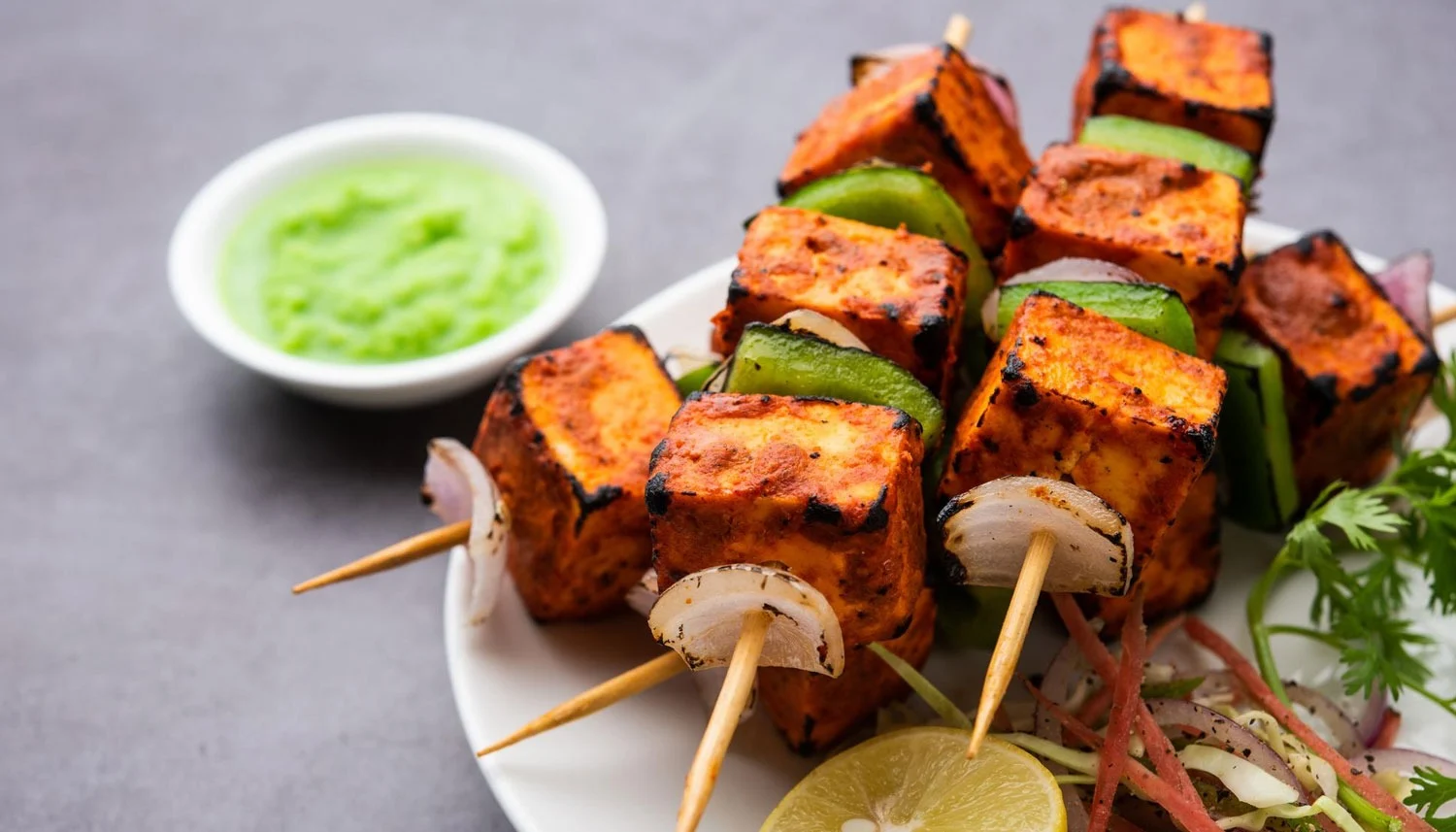
- Tandoori Chicken — yoghurt-marinated chicken grilled in a clay oven. Smoky, charred and juicy.
- Naan — leavened bread baked in a tandoor. Garlic, butter or cheese varieties.
- Palak Paneer — Indian cheese in a spinach sauce. The most popular vegetarian order.
- Dal Makhani — slow-cooked black lentils with butter and cream. Deeply comforting.
- Momo — hand-folded steamed dumplings. Chicken, vegetable or buffalo filling. Served with tomato-sesame chutney.
- Jhol Momo — momo served in a spiced tomato broth with sesame and peanut. A Nepali speciality.
- Dal Bhat Tarkari — lentil soup, rice and vegetable curry. The Nepali national meal.
- Thukpa — Himalayan noodle soup. Warming, hearty and perfect in cold weather.
- Sekuwa — Nepali grilled meat, marinated with Himalayan spices.
- Achar — spicy pickle or chutney. Always served alongside dal bhat.
How to Choose the Right Restaurant — A Step-by-Step Guide
Step 1: Decide what you want. Indian classics? Nepali specialities? Both? If you are unsure, choose a restaurant that serves both cuisines — you can explore without committing.
Step 2: Look beyond the Centrum. The tourist centre has the most options, but restaurants in Amsterdam Noord and West often serve more authentic food at lower prices, with a more relaxed atmosphere.
Step 3: Check for fresh preparation. The best Indian and Nepali restaurants make their momo by hand, bake their naan in a real tandoor oven, and cook curries from scratch — not from pre-made sauces. If the naan comes in a few short minutes looking more or less similar, it wasn't made in-house.
Step 4: Check out the vegetarian and vegan sections. A restaurant with a genuinely robust vegetarian menu is often an indication that the kitchen knows Indian cuisine rather than simply assuming vegetarians should be satisfied as an afterthought.
Step 5: Check dietary options. If you need halal food, read our separate guide to halal Indian food in Amsterdam. Most Indian restaurants can accommodate halal, vegetarian and vegan diets — just ask when you book.
Step 6: Consider the full picture. Delivery, takeaway, catering for groups, private dining , many restaurants offer more than just a table for two. Mount Everest Tandoori, for example, offers catering for events of 30 or more guests, a weekly all-you-can-eat buffet, and online ordering for delivery across Amsterdam Noord.
Conclusion
Amsterdam's Indian food scene is broad, easy to access, and only getting better each year. Nepali food is catching up too, thanks to a growing number of restaurants run by Nepalese chefs keen to share their own culinary traditions alongside the Indian classics.
If it's your first time exploring either, the easiest way in is a restaurant serving both — order a tandoori dish or butter chicken next to a plate of freshly steamed momo, and one meal is all it'll take to understand just how different these two traditions are, and why both are worth getting to know.
Whether you eat in the busy centre near Central Station or cross the IJ River for a quieter meal in Amsterdam Noord, the food is out there. The only bad choice is not trying something new.
Frequently Asked Questions
Indian food is well represented across Amsterdam, although there are more restaurants around Centrum due to its proximity to Central Station and Dam Square. The Indonesian Halal Restaurant week in Amsterdam Noord is Mount Everest Tandoori, open for authentic Indian food seven days a week, dine-in, delivery and takeaway.
Experience the Best Restaurant in Amsterdam
Book your table, order online, or explore our catering services for your next event.